Disorders of the temporomandibular joint (TMJ) impair the jaw joints, surrounding muscles, and ligaments, leading to pain and problems with function. Everyday functions including speaking, chewing, and yawning depend on the TMJ, which is situated on either side of the head where the jawbone joins the skull. Problems with this intricate joint can majorly affect a person’s quality of life. Effective management of TMJ issues requires knowledge of its causes, symptoms, and available treatments.

The reasons for TMJ issues might differ from person to person and are frequently complex. Physical trauma to the jaw or head, such as a hit or whiplash, is one of the main causes since it can alter the joint’s alignment or functionality. Over time, repetitive strain brought on by behaviors like clenching or teeth grinding (bruxism) can also harm joints. Furthermore, the TMJ may be impacted by arthritis, including rheumatoid arthritis and osteoarthritis, which can cause pain and inflammation. Sometimes structural problems, including a misaligned bite or congenital deformities in the jawbone or joint, are the cause of TMJ issues.
TMJ issues can cause anything from little discomfort to incapacitating pain. The most typical sign is discomfort or pain in the jaw, which might spread to the cheek, neck, or ears. Many people also have trouble opening or closing their lips completely, which is frequently accompanied by popping, clicking, or grinding sound as the jaw is moved. In extreme situations, the jaw could lock, making it impossible to move normally. Other symptoms are earaches, persistent headaches, and tinnitus—a feeling of fullness or ringing in the ears. The intricate relationship between the TMJ and surrounding structures is highlighted because some persons even experience lightheadedness or visual abnormalities.
TMJ issues are usually diagnosed after a comprehensive examination by a dentist or physician, like over at pacificdentalaesthetics.com . A review of the patient’s medical history, a physical examination of the jaw and its surroundings, and imaging tests like CT, MRI, or X-rays to evaluate the structure and function of the joint are all possible steps in the procedure. Developing a customized treatment approach requires determining the underlying problem.
The severity and underlying etiology of TMJ issues determine the course of treatment. Initially, conservative methods are frequently advised. Self-care practices like using heat or cold packs to ease discomfort and inflammation, relaxing your jaw, and avoiding chewy or hard foods that can strain your joints are a few examples. Temporary relief can be obtained with over-the-counter pain medicines such as acetaminophen or ibuprofen. Additionally helpful is physical therapy, which focuses on stretching and strengthening the jaw muscles.
More sophisticated therapies could be required for those with severe or ongoing symptoms. Splints and nightguards are examples of oral appliances that are frequently prescribed to stop teeth grinding and encourage healthy jaw alignment while you sleep. Counseling or stress management strategies may assist ease muscular tension when stress aggravates TMJ symptoms. Corticosteroid injections into the joint can offer focused treatment for inflammatory disorders.
Usually, surgical intervention is saved for situations where no other treatments work. In order to repair or replace injured tissue, procedures range from minimally invasive arthrocentesis, which includes draining out the joint to remove debris and reduce inflammation, to more involved treatments like arthroscopy or open-joint surgery. Surgery has dangers and should only be undertaken after all other treatments have been exhausted, despite the fact that it can be beneficial.
Developing good behaviors is frequently necessary to prevent TMJ issues or lessen their effects. Maintaining proper posture helps lessen needless jaw strain, particularly when sitting for extended periods of time. It’s also beneficial to refrain from repetitive jaw motions, including excessive gum chewing. Frequent dental examinations are essential for spotting and treating abnormalities like misaligned teeth or bite disorders before they worsen and lead to TMJ pain.
Although having a TMJ condition can be difficult, it can be effectively managed with the correct strategy. People can take proactive measures toward relief and an enhanced quality of life by being aware of the reasons, identifying the symptoms, and investigating the available treatment choices. For a precise diagnosis and individualized treatment plan, speak with a healthcare provider if you think you may have a TMJ condition. In order to manage symptoms and avoid long-term problems, early intervention can make a big impact.
 Understanding Sedation Dentistry
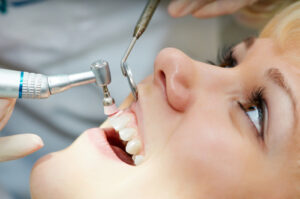 Understanding Teeth Cleaning
 Understanding Root Canals